
Master Your Digestive Health in 2026
Your gut is more than just a processing plant; it’s the control center for your immune system, mood, and skin health. Join us on a journey through the microscopic world of probiotics.
The Living World Inside You
Imagine a bustling city with trillions of inhabitants, all working in harmony to keep the infrastructure running. That is your gut microbiome. These inhabitants are microorganisms—mostly bacteria—that live in your digestive tract. While some "germs" cause illness, probiotics are the beneficial microorganisms that actively control harmful bacteria, aiding in everything from digestion to nutrient absorption.
Every woman's microbial composition is as unique as her fingerprint. Scientific research indicates that conditions like chronic constipation or bloating are often linked to specific microbial imbalances, though we are still uncovering whether these differences are the cause or the effect of our health status. By focusing on nutraceuticals, we can support this delicate ecosystem.
Balanced Ecosystem
Regulates immunity and reduces inflammation.
Nutrient Mastery
Optimizes the breakdown of proteins and vitamins.

What Exactly Are Probiotics?
According to the World Health Organization, probiotics are "live microorganisms that, when administered in adequate amounts, confer a health benefit on the host."
Lactobacillus
Perhaps the most common genus, often found in yogurt and fermented foods. It’s a powerhouse for producing lactic acid, which helps lower the pH of the colon, making it harder for "bad" bacteria to survive.
Bifidobacterium
These are among the first microbes to colonize the human gut. They play a crucial role in breaking down complex carbohydrates and supporting the lining of the intestines.
The "Biotics" Family
From Prebiotics (the fiber that feeds them) to Synbiotics (the combo) and Postbiotics (the beneficial byproducts), understanding the whole family is key to holistic health.
Daily Gut Harmony Calculator
Assess your current dietary habits to see how well you're supporting your microbiome.
Your Gut Harmony Score: 0/100
Nourishing Through Nature
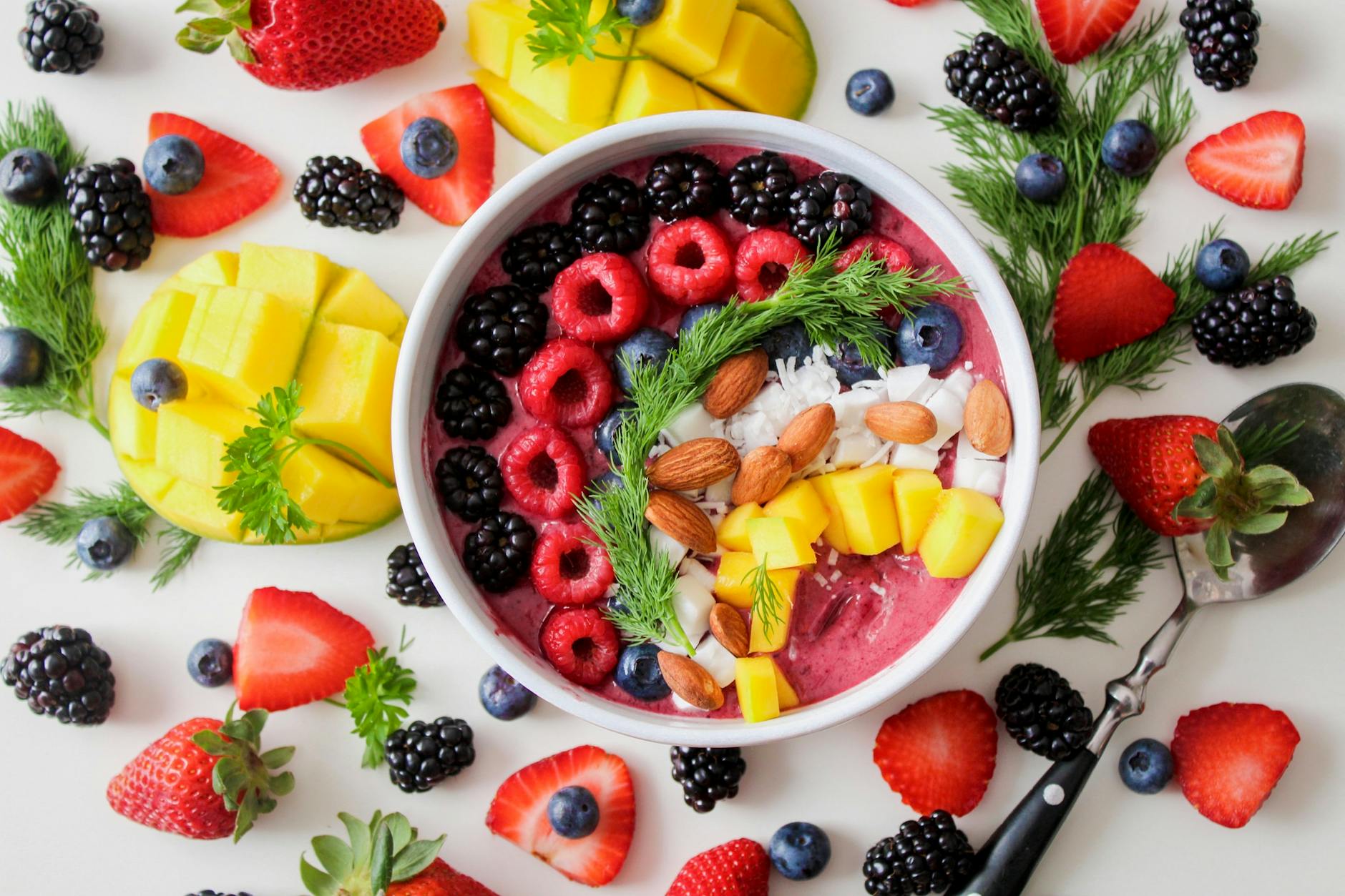
Before reaching for a bottle, consider the kitchen. Fermented foods have been a staple of human diets for millennia. Foods like yogurt, kefir, sauerkraut, kimchi, and tempeh are living cultures. However, a crucial distinction must be made: not all fermented foods contain probiotics.
Processing techniques like pasteurization or high-heat canning often kill off the beneficial bacteria. For a food to be truly "probiotic," it must contain live microbes that have been proven to provide health benefits. In 2026, many brands are now adding probiotics back into products, such as "prebiotic sodas," which offer fiber like inulin and lower sugar content. While these are better than traditional soda, they should still be consumed in moderation as part of a balanced diet focused on weight management.
Pro-Tip for Your Shopping Trip
Look for the "Live and Active Cultures" seal on dairy products and choose unpasteurized, refrigerated versions of fermented vegetables to ensure the bacteria are still active.
The Gut-Everything Axis
Mental Well-being
The "Gut-Brain Axis" is a bidirectional communication network. Your gut microbes produce neurotransmitters like serotonin. Supporting your gut can be a pillar of stress relief and mental clarity.
Immune Function
Approximately 70-80% of your immune system resides in your gut. A healthy microbiome trains your immune cells to distinguish between friend and foe. Check our immune support supplements for more.
Skin Radiance
The "Gut-Skin Axis" suggests that internal inflammation often manifests as external breakouts or dullness. Probiotics can be a secret weapon for beauty and skin health.
Hormonal Balance
Specific gut bacteria, known as the estrobolome, help process and eliminate excess estrogen. This is vital for maintaining hormonal balance during all stages of life.

Supplementing with Care
The probiotic industry is growing rapidly, but not all supplements are created equal. Here is what you need to know about quality and efficacy.
Evaluating Your Supplements
- ✔ Strain Identity: The label should specify the genus, species, and the specific strain (e.g., Lactobacillus rhamnosus GG).
- ✔ Potency (CFUs): Ensure the product provides the number of Colony Forming Units guaranteed through the expiration date, not just at the time of manufacture.
- ✔ Survival: Probiotics must survive the journey through stomach acid to reach the intestines. Look for enteric-coated or acid-resistant technologies.
- ✔ Purity: High-quality manufacturers like those featured in our multivitamin guide test for contaminants and purity.
"While probiotics can manage digestive issues and improve quality of life, current scientific understanding of their mechanisms is still evolving. We recommend a 'food first' approach, adding targeted supplements only when necessary."
Expert Panel
Isa Shop Wellness Team
When Can Probiotics Help?
Antibiotic Use
Replenishing beneficial bacteria after a course of antibiotics can help prevent antibiotic-associated diarrhea.
Digestive Comfort
Evidence suggests certain strains may alleviate symptoms of IBS, such as bloating and gas, though results vary by individual.
Women's Flora
Lactobacilli help maintain an acidic vaginal environment, which can prevent overgrowth of harmful bacteria.
Metabolic Health
Ongoing research explores the link between gut diversity and healthy metabolic rates, aiding in detox and cleansing.
Safety & Considerations
While probiotics are generally considered safe for most healthy people, they are not a "one size fits all" solution. Some common side effects include temporary gas and bloating during the first few days of use as the gut environment shifts. We recommend increasing your intake gradually.
Important: Individuals who are severely ill, immunocompromised, or have chronic conditions should always consult with a healthcare professional before starting any probiotic regimen. This also applies to pregnancy and prenatal supplementation.
Navigate the conflicting research by focusing on human clinical trials. If you have specific health goals, our personalized health support team can help you identify the right path forward.
Ready to Nurture Your Gut?
Explore our curated selection of high-quality nutraceuticals designed to support your journey toward vibrant health.
Digestive Health FAQ
Should I take probiotics every day?
For most, consistency is key to maintaining a balanced microbiome. However, it depends on your health goals and the specific strain you are using. Consult our FAQ for more.
Can I take probiotics with multivitamins?
Yes! In fact, many multivitamins tailored for women now include probiotic strains to enhance nutrient absorption.
What are prebiotics?
Prebiotics are non-digestible fibers that act as "food" for your healthy gut bacteria. Think of them as the fertilizer for your internal garden.