
Garlic Extract
Garlic has been used for centuries for cardiovascular support. Modern extracts (Aged Garlic Extract) are shown to modestly lower blood pressure and may even slow the progression of arterial plaque buildup.
Research Details →In 2026, cardiovascular health remains the cornerstone of women's wellness. Discover how targeted nutraceuticals, balanced nutrition, and mindful movement create a resilient heart.

Cardiovascular health is far more than just a number on a blood pressure monitor. It is a complex interplay of genetics, lifestyle, stress management, and nutritional intake. While the foundations of a healthy heart are built on a balanced diet and consistent movement, high-quality supplements can serve as powerful allies in managing risk factors like cholesterol levels, systemic inflammation, and arterial health.
Addressing specific deficiencies that impact vascular elasticity and heart rhythm.
Managing how your body processes fats and sugars to prevent plaque buildup.
Reducing the silent triggers that damage arterial walls over time.



Naturally produced by the body and found in every cell, CoQ10 is vital for energy production. As we age, our natural levels decline. In 2026, clinical research continues to show that CoQ10 supplementation may help lower blood pressure and is particularly beneficial for women taking statins, as it can mitigate common side effects like muscle pain. It acts as a potent antioxidant, protecting the heart from oxidative stress.
Read about ingredient purity →Omega-3 fatty acids are perhaps the most studied heart-health supplements. They are renowned for their ability to significantly reduce triglycerides, improve blood vessel function, and slightly lower blood pressure. For those who don't consume fatty fish (like salmon or mackerel) at least twice a week, high-quality fish oil or algae-based supplements are excellent alternatives.
Learn how these relate to overall health on our Nutraceuticals Explained page.
Managing LDL (the "bad") cholesterol is a priority for cardiovascular longevity. Dietary fiber, particularly soluble fiber found in oats, beans, and psyllium husk, binds to cholesterol in the digestive system and helps clear it from the body.
"Integrating 5-10 grams of soluble fiber daily can result in a measurable drop in LDL levels. However, it's crucial to increase intake gradually and stay well-hydrated to avoid gastrointestinal discomfort."
— Clinical Perspective 2026
Plant sterols and stanols are naturally occurring substances found in plants that are structurally similar to cholesterol. When taken as a supplement or in fortified foods, they compete with cholesterol for absorption, effectively lowering the amount that enters your bloodstream.
Explore Digestive SupportPotential reduction in LDL with consistent fiber & sterol use.
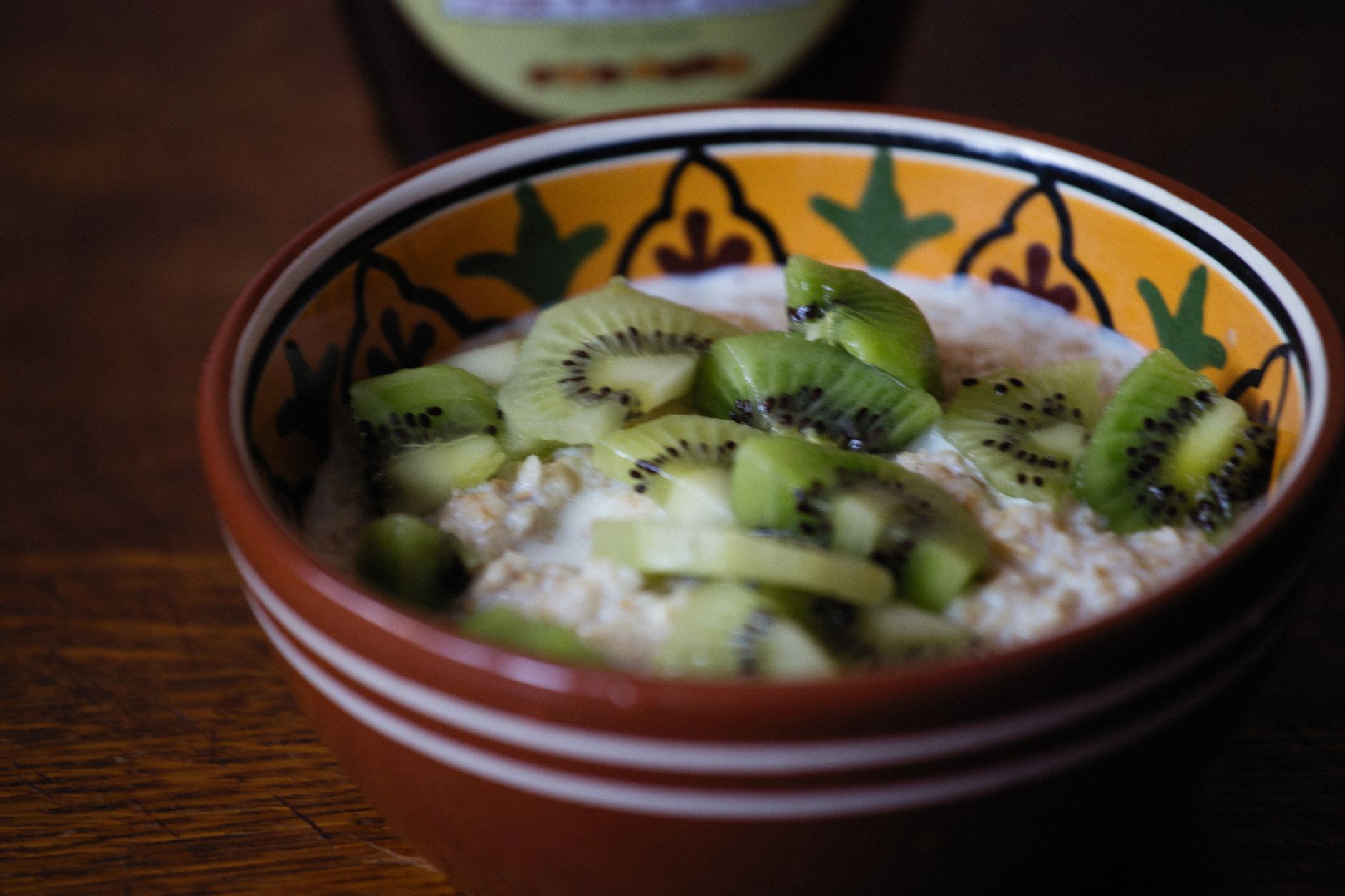
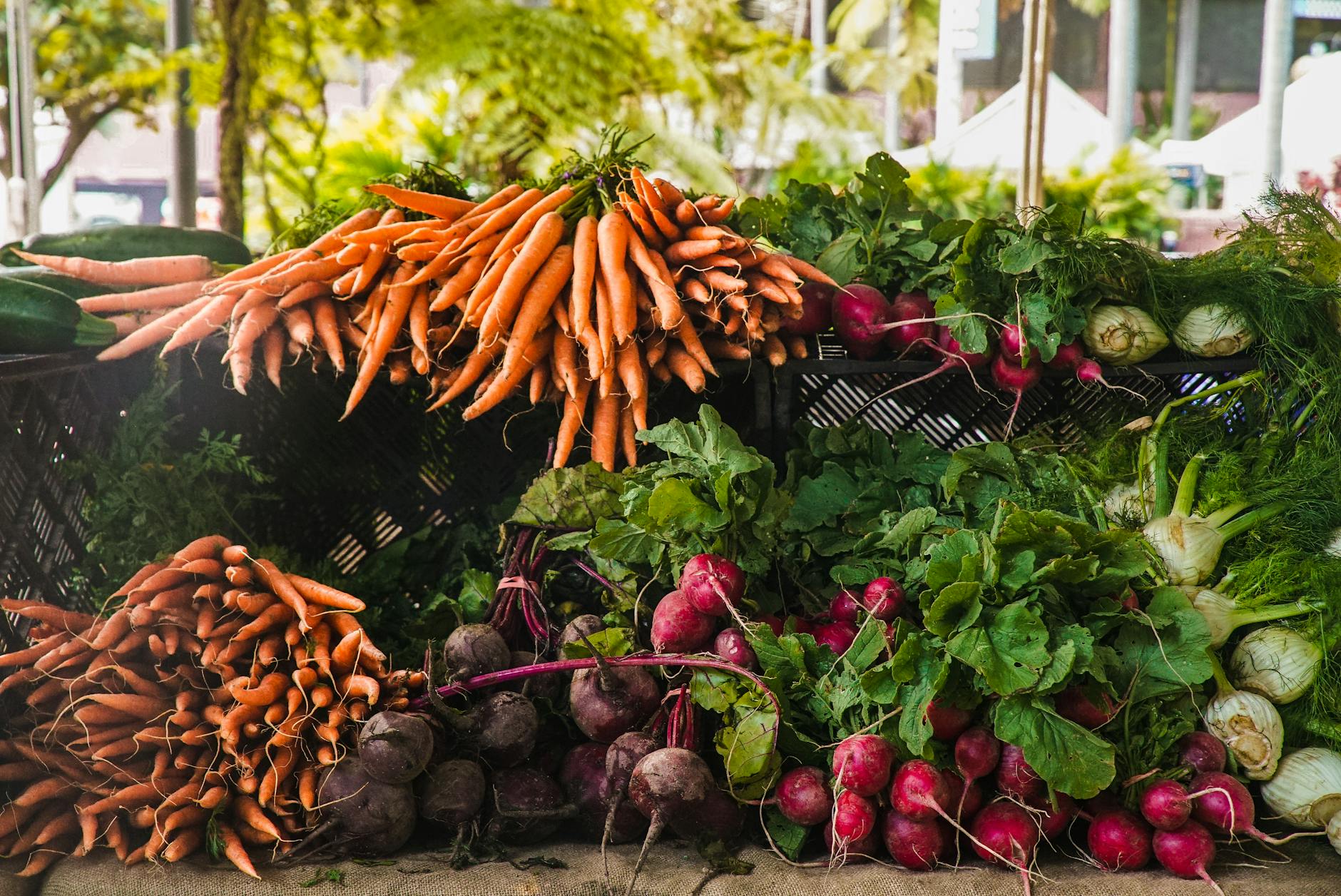
"The Mediterranean diet remains the gold standard for vascular health."
Discover which nutrients align with your specific cardiovascular goals. Select your primary focus below.
Micronutrients act as the essential catalysts for thousands of biochemical reactions that keep our blood vessels flexible and our heart beating strong.
The "relaxation mineral." Essential for maintaining a normal heart rhythm and helping blood vessels dilate to support healthy pressure.
Crucial for directing calcium into the bones and preventing it from depositing in the arterial walls (calcification).
B6, B12, and Folate work together to manage homocysteine levels, an amino acid that can damage arterial linings if elevated.
Low levels are linked to increased risk of heart disease. It supports endothelial function and immune response.
Need a complete profile? Explore our specialized formulas.
View Multivitamins
Garlic has been used for centuries for cardiovascular support. Modern extracts (Aged Garlic Extract) are shown to modestly lower blood pressure and may even slow the progression of arterial plaque buildup.
Research Details →
Rich in catechins like EGCG, green tea supports lipid metabolism and vascular health. It’s an excellent antioxidant choice for daily maintenance.
Metabolism Links →
Contains monacolin K, which is chemically identical to certain cholesterol-lowering medications. While effective, it requires professional supervision due to its potency and potential for side effects.
Use with Caution
"As we look at cardiovascular longevity in women, we must prioritize the Mediterranean pattern: high in fiber, rich in healthy fats, and low in processed sugars. Supplements like Omega-3s or CoQ10 are fantastic adjuncts, especially for those with specific genetic markers or lifestyle demands, but they cannot replace the power of a 30-minute walk and a plate of vibrant vegetables."
Dr. Sarah Jenkins, Cardiovascular Specialist
Before starting any heart-focused regimen, especially if you take blood thinners or blood pressure medication, a professional consultation is mandatory to avoid dangerous interactions.
Identify actual deficiencies through blood work. High doses of certain vitamins (like Vitamin A or E) can be counterproductive if not needed.
Not all supplements are created equal. Look for third-party testing and standardized extracts to ensure you're getting what's on the label.
Absolutely not. Supplements are intended to support heart health and may assist in management, but they should never replace prescription medications without direct medical supervision. Always work with your cardiologist when adjusting your health routine.
Nutritional changes typically take 3 to 6 months to manifest in blood markers like cholesterol or triglyceride levels. Consistency is the most important factor in seeing long-term benefits.
Yes, as estrogen levels drop, heart health risk can increase. Supplements like Omega-3s and Magnesium are often recommended during this transition. Visit our Menopause Support page for a specialized guide.
Join thousands of health-conscious women who trust Isa Shop for their wellness journey in 2026. Science-backed, woman-focused.