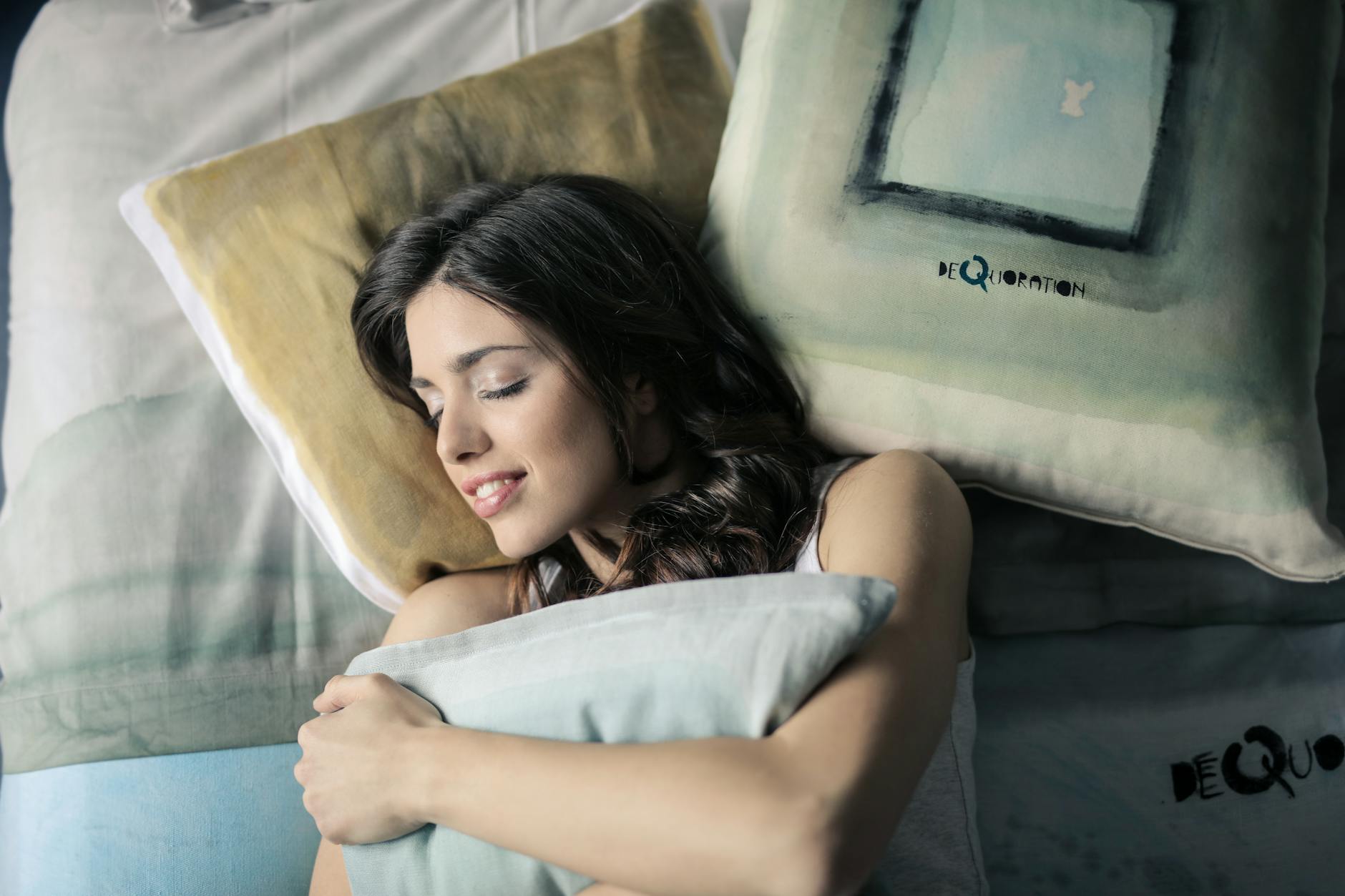
Master the Art of Restorative Sleep
Unlock the secrets to deep, healing rest. In an era of constant connectivity, quality sleep is the ultimate luxury and the foundation of your health, beauty, and vitality.
The Silent Epidemic: Why We Are Tired
In 2026, the pace of life has never been faster. For women juggling careers, fitness goals, and family life, sleep is often the first thing sacrificed. However, chronic sleep deprivation is more than just feeling "groggy." It is a physiological crisis that impacts every system in your body.
When we lack restorative rest, our cognitive function declines—memory retention fades, decision-making becomes clouded, and emotional regulation fluctuates. Beyond the mind, the body suffers: immunity weakens, the risk of chronic diseases like hypertension increases, and hormonal balance is disrupted, often leading to weight gain and skin issues.
- "Sleep is the golden chain that ties health and our bodies together."
- Impaired recovery impacts workout performance and muscle repair.
70%
of women report occasional insomnia.
8 Hours
The metabolic "sweet spot" for skin regeneration.
Foundation: The Ritual of Sleep Hygiene
Before reaching for supplements, we must build a sanctuary for rest. Sleep hygiene is the collection of habits that signal your brain it's time to power down.
Consistency is King
Go to bed and wake up at the same time every day, even on weekends. This stabilizes your circadian rhythm, making it easier to fall asleep and wake up naturally. This is essential for hormonal balance.
The Wind-Down Window
Dedicate 60 minutes before bed to screen-free activities. Try warm baths, gentle yoga, or reading. This allows your natural melatonin production to rise without the interference of blue light.
Optimize Your Environment
Keep your bedroom cool (approx. 18°C), dark, and quiet. Invest in blackout curtains and a quality ergonomic mattress to support spinal health, especially if you use bone health supplements.
Personalized Sleep Routine Builder
Input your habits to generate a custom 2026 relaxation plan.
Your routine will appear here...
Natural & Non-Medicated Sleep Aids

Melatonin: The Master Regulator
Melatonin is a hormone naturally produced by the pineal gland. It tells your body when it’s time to sleep based on light exposure. In our modern environment, artificial light suppresses this hormone, leading to "social jetlag."
Supplementing with melatonin can be highly effective for shift workers, jet lag, or those with delayed sleep phase syndrome. Typical dosages range from 0.5mg to 5mg. However, it is not a "knock-out" pill; it’s a timing signal.
Expert Note:
Avoid high doses for prolonged periods without consulting a professional. Learn more in our guide to choosing supplements.
Valerian Root
Often called "nature's Valium," this herb has been used since ancient Greece. It works by increasing GABA levels in the brain, helping you fall asleep faster and improving sleep quality.
Deep Sleep SupportMagnesium Glycinate
Calms the nervous system and relaxes muscles. Essential if you combine fitness with rest.
Chamomile
Contains apigenin, an antioxidant that binds to receptors in your brain that may promote sleepiness.

Ashwagandha
An adaptogen that regulates cortisol. Perfect for stress relief and mental wellness.
CBD & The Endocannabinoid System
CBD oil has gained massive traction in 2026 for its ability to reduce anxiety and regulate the sleep-wake cycle without the psychoactive effects of THC.
Lavender Oil
Aromatherapy studies show lavender improves sleep duration and morning alertness.
Lifestyle Disruptors: The Sleep Thieves
Caffeine’s Half-Life
Caffeine blocks adenosine, the molecule that tells you you're tired. It has a half-life of 5-6 hours, meaning your 4 PM latte is still in your system at 10 PM.
The Alcohol Paradox
While alcohol may help you fall asleep faster, it destroys REM sleep quality, leading to frequent awakenings and night sweats.
Blue Light & Circadian Delay
Short-wavelength light from phones mimics sunlight, tricking your brain into thinking it's daytime. This suppresses melatonin for up to 2 hours after use.

Mind over Mattress
Psychological stress is the leading cause of insomnia. When your mind is racing, your body remains in a "fight or flight" state. Mindfulness techniques help switch the nervous system to "rest and digest."
The Body Scan Technique
Starting from your toes and moving to your head, consciously tense and then release every muscle group. This physical release often triggers a mental release of anxiety.
Best for: Muscle tension and restlessness.
4-7-8 Breathing
Inhale for 4 seconds, hold for 7, and exhale loudly for 8. This rhythmic breathing stimulates the vagus nerve, immediately lowering heart rate and blood pressure.
Best for: Racing thoughts and panic.
Micronutrients: The Unsung Sleep Heroes
Sometimes, poor sleep is a symptom of a nutritional deficiency. Our bodies need specific co-factors to produce neurotransmitters like serotonin and melatonin.
Vitamin D & B-Complex
Vitamin D receptors exist in parts of the brain that control sleep. B6 is a crucial co-factor for converting 5-HTP into serotonin. Explore our multivitamin collection.
Glycine & GABA
Glycine is an amino acid that lowers core body temperature, which is a necessary biological trigger for sleep onset.
Iron & Zinc
Iron deficiency (anemia) is common in women and can lead to Restless Leg Syndrome (RLS), a major disruptor of deep sleep.

When to Go Beyond Natural: OTC & Prescription
Sometimes natural remedies aren't enough for severe insomnia. Understanding your medical options is key to safety.
Over-the-Counter (OTC)
Commonly based on antihistamines like diphenhydramine or doxylamine. They are effective for occasional use but carry risks.
- • Tolerance: Your body adapts quickly (within days).
- • Groggy Mornings: Long half-lives cause "hangover" effects.
- • Dryness: Can cause dry mouth and blurred vision.
Caution: Avoid long-term use.
Prescription Solutions
Managed by healthcare professionals, these target specific brain pathways to induce or maintain sleep.
- • Z-Drugs: (e.g., Zolpidem) Focus on rapid sleep onset.
- • Orexin Antagonists: A newer class that turns off the "wakeful" signal.
- • Sedating Antidepressants: Often used for insomnia paired with anxiety.
Sleep Across the Lifespan
Young Adults (18-35)
Focus on regulating circadian rhythms disrupted by social life and screens. Emphasize energy vitality management.
The Transition (35-55)
Perimenopause and menopause bring night sweats. Targeted menopause support is often required alongside sleep aids.
Senior Health (55+)
Natural melatonin production drops. Avoid heavy antihistamines due to increased fall risks and cognitive impact.
The Gold Standard: CBT-I
Cognitive Behavioral Therapy for Insomnia (CBT-I) is widely recognized as the most effective long-term treatment. Unlike pills, it addresses the underlying thoughts and behaviors that keep you awake.
Sleep FAQ
Is it safe to take melatonin every night? ▼
Can I mix herbal tea with sleep medication? ▼
How long does it take for magnesium to help with sleep? ▼
Ready for Your Best Night’s Sleep?
Don't let another night go to waste. Explore our curated selection of sleep aids and wellness solutions today.